
Radon Mitigation: How Does It Work?
A Homeowner’s Guide to Sub-Slab Depressurization
If your home tested high for radon, you’re likely wondering: Now what?
The good news is that radon mitigation is a well-understood process—and Sub-Slab Depressurization (SSD) is the gold standard for most homes. Let’s walk through exactly what this method is, how it works, and why it’s so effective.
What Is Sub-Slab Depressurization?
Sub-slab depressurization is one of the most effective and widely used methods for radon mitigation in residential homes, especially those with basements or slab foundations.
The goal? To redirect radon gas before it ever enters your living space.
Here’s how it works:
A mitigation specialist drills a small hole through your foundation slab.
A PVC pipe is inserted into the soil beneath the slab (creating a suction point).
A special radon fan pulls air from below the home and safely vents it above the roofline.
This process creates a negative pressure field under the slab, which stops radon from seeping through cracks, gaps, or sumps into your home.
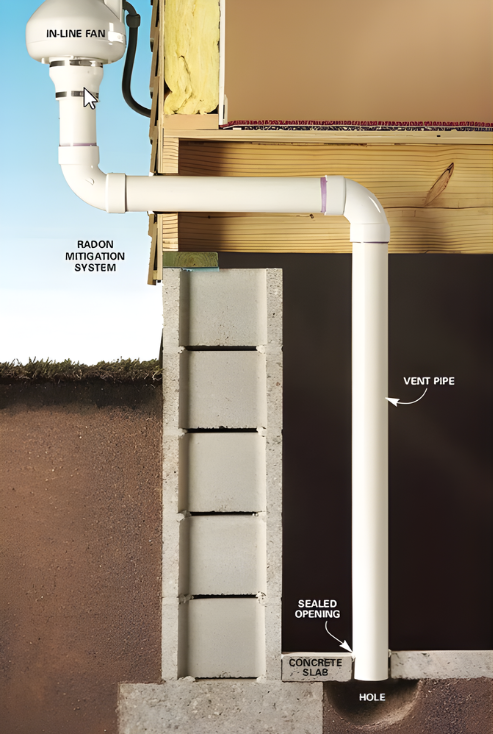
Step-by-Step:
How Sub-Slab Depressurization Systems Are Installed
Every home is different, but the typical installation of a radon mitigation system includes the following steps:
1. Pre-Mitigation Inspection
Before anything is installed, a radon professional tests your current radon levels and inspects your home for vulnerabilities—like cracks, sump pits, or gaps around pipes.
2. System Design
Based on your home’s layout, slab type, and soil permeability, a customized radon system is designed to ensure optimal airflow and radon capture.
3. Suction Point Creation
A small core hole is drilled through the slab—typically around 3 to 6 inches in diameter. A suction pit is dug beneath the hole to improve airflow. The PVC pipe is sealed in place using airtight caulking or fittings.
4. Fan & Vent Installation
A radon fan is installed in an unoccupied area (like the attic, garage, or outside), and piping is run vertically to release the radon gas above your roofline, away from windows and openings.
5. System Monitoring & Testing
A U-tube manometer is installed as a visual indicator to show the system is running. After installation, a post-mitigation radon test is essential to verify success and ensure your levels are below the EPA’s 4.0 pCi/L action level.
Why Sub-Slab Depressurization Is So Effective
Homeowners love SSD systems for a few key reasons:
- Highly Reliable
When installed correctly, SSD systems consistently reduce radon levels and meet all EPA and NRPP standards. - Low Operating Costs
Radon fans are energy-efficient and require very little maintenance. The system runs quietly and continuously in the background. - Continuous Monitoring
Pressure monitoring devices ensure the system is always functioning properly and radon isn’t building up undetected. - Multi-Purpose Benefits
Besides radon, these systems also reduce moisture and soil gas contaminants like VOCs in your basement. It’s a win-win. - Works in Old or New Homes
Whether you live in a century-old home or new construction, SSD can be adapted to fit. It’s even used in commercial properties.
What will it look like?
Odds are many of your neighbors have a system installed and you never noticed.
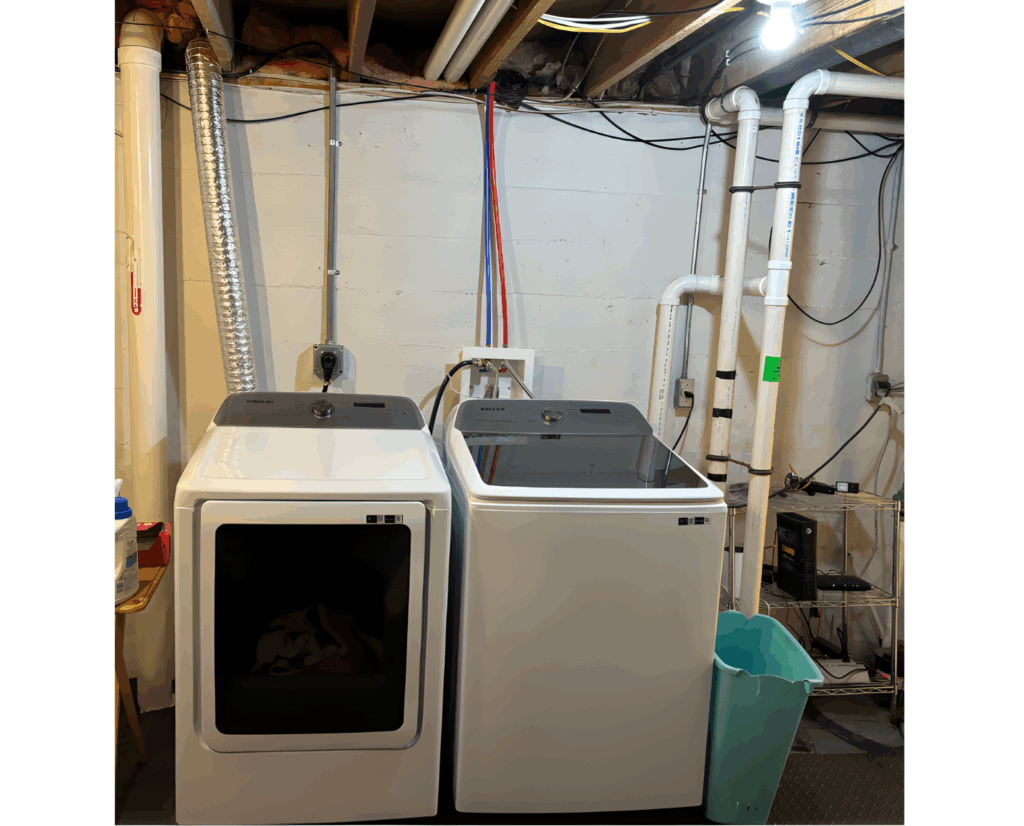
Interior: On the interior of the home it looks like any other plumbing system. It’s typically a 3-4in PVC pipe that goes into your slab, similar to a sump pump.
Can you spot the radon mitigation system? (Hint: it’s on the left)
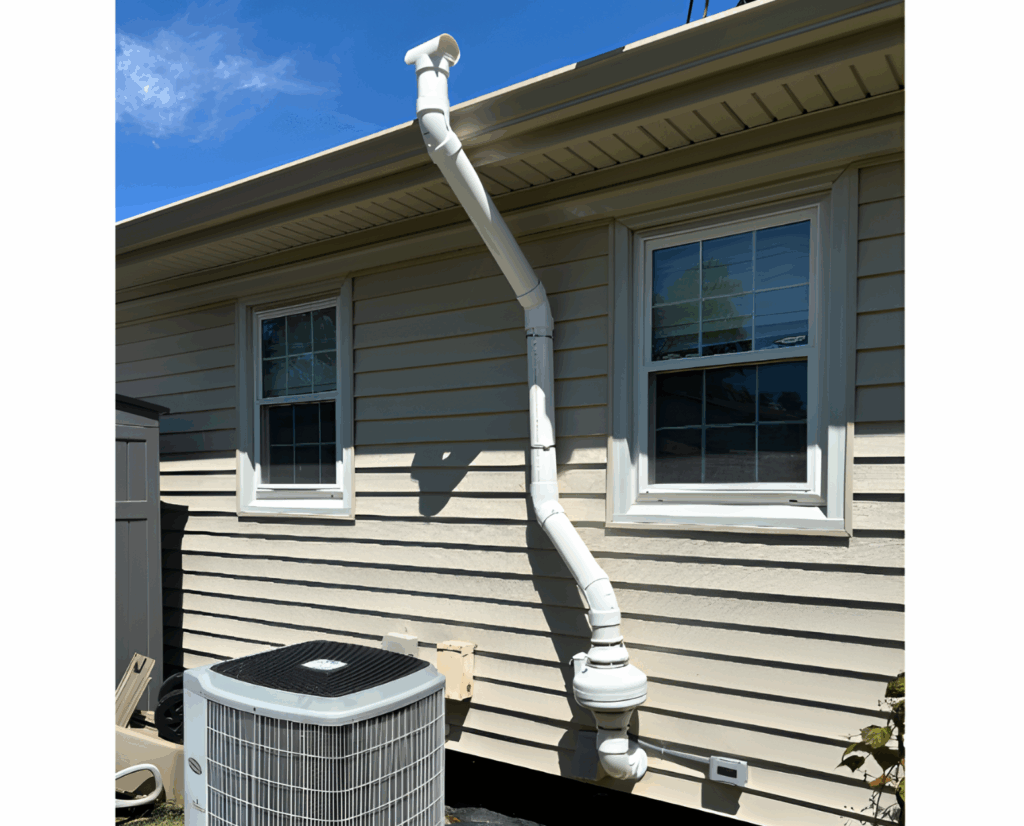
Exterior: The pipes can be routed through the home and terminate through the roof, but typically you will see a white fan attached to the side of the home and the tubing routed around the ease of the roof with the exhaust terminating above the roof.
Protect Your Family with a Proven Radon Mitigation Method
Radon doesn’t have to be scary. With professional installation and a trusted partner, mitigation becomes just another smart part of the homebuying process or ongoing home health plan.
At Lungera, our systems are:
Professionally designed and certified to national standards
Backed by post-mitigation testing guarantees
Built with homeowner aesthetics and long-term durability in mind
Easy to schedule with upfront pricing and no surprises
Need radon mitigation in Louisville or Southern Indiana?
We’re here to help. Our packages are tailored to meet your goals whether you’re selling, buying, or staying put.