
High Radon? Don't Panic: Your Guide to a Stress-Free Real Estate Closing
The good news is in: Your offer was accepted!
After weeks or months of searching, countless property visits, and coordinating with your lender, you finally found the perfect house. Congratulations! Now you’re in the inspection period — a vital stage for uncovering any potential issues.
You’ve reviewed the reports and discovered that the radon levels are high. Stop, take a breath, and don’t let this be a deal-breaker.
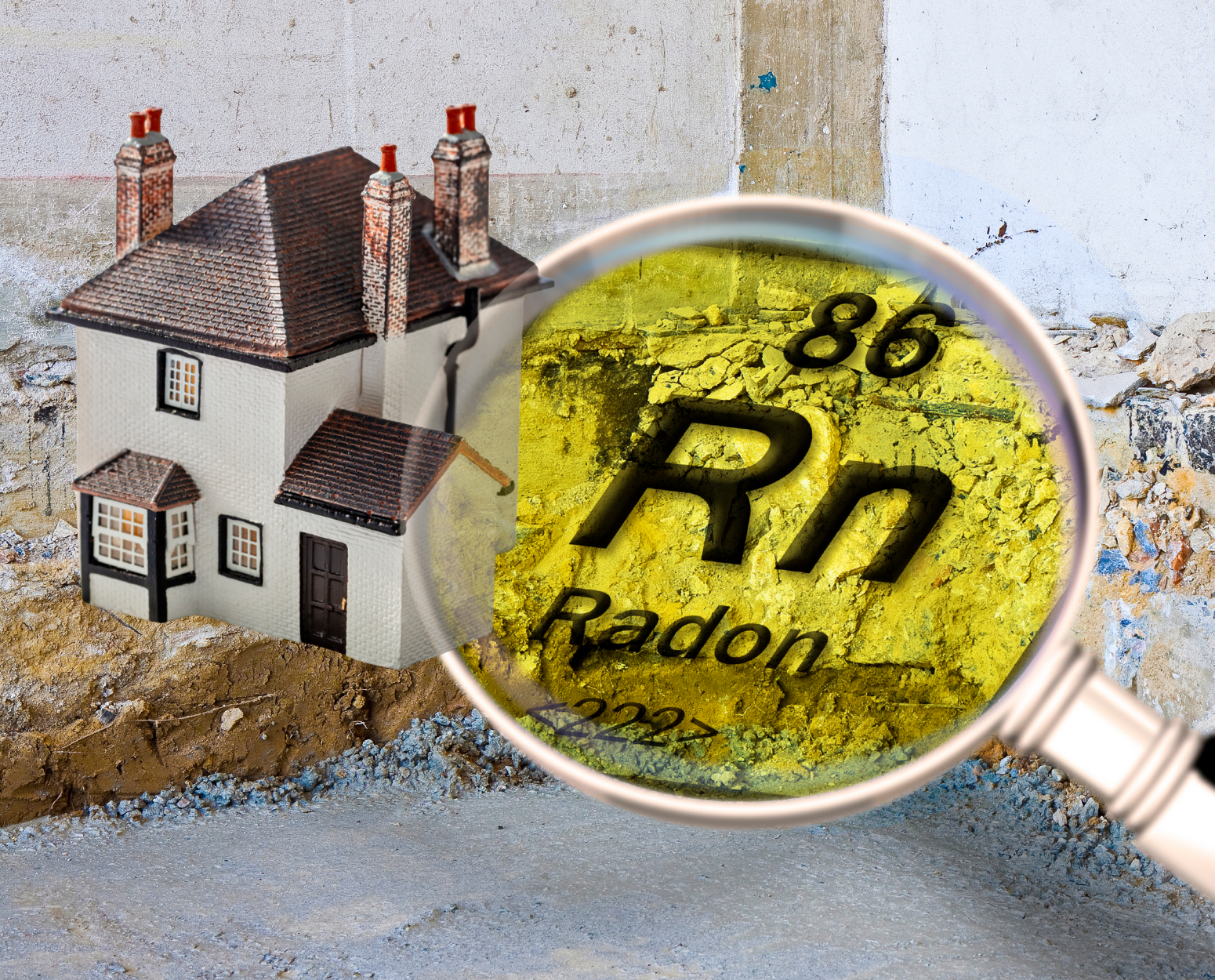
Should High Radon Levels Be a Deal Breaker? Absolutely Not.
High radon levels during a home inspection are a common issue, especially in regions like Louisville and Southern Indiana. The good news? Reducing them is usually straightforward — and can often be completed in less than a day.
Cost Reality: The cost typically ranges from $1,000 to $3,000, with the average professional radon mitigation systemcosting around $1,400.
Who Should Pay for the Mitigation System?
This is where the negotiation begins. The discussion about who will cover the installation of the radon reduction systemtakes place during the resolution period of the real estate transaction.
Seller Pays: Sometimes the seller will pay for and coordinate the installation directly.
Seller Offers Credit: Other times, they may offer the buyer funds (a credit) to handle it after closing.
Our Recommendation for Buyers
We strongly recommend that the buyer handles the radon mitigation. Why?
Quality Control: You ensure that corners aren’t cut and that the highest quality methods and materials are used.
Family Focus: You can make long-term decisions with your individual family’s health and safety in mind.
7 Key Considerations for a Quality Radon Mitigation System
Odds are many of your neighbors have a system installed and you never noticed.
Protect Your Family with a Proven Radon Mitigation Method
If you or the seller moves forward with mitigation, keep these factors top of mind:
Cost vs. Quality
Be wary of cheap mitigation methods. Costs vary based on the home’s foundation (crawl space, slab, sump pump). A cheaper installation could lead to issues later. A basic system might not address all necessary areas, such as sealing a sump-lid or caulking floor cracks — all of which can substantially reduce long-term exposure.Aesthetics Matter
As the future homeowner, you will want some input on the placement and appearance of the exterior mitigation system.Hire a Certified Expert
Ensure the work is done by a certified professional. Look for certifications from the NRPP, AARST, or other accredited organizations. Installation must meet EPA radon standards.Meet the Deadline
Confirm that the mitigation company can finish the job to meet your closing deadline.Get a Warranty
Your system should come with a warranty, typically for the fan (around five years). The installer should also provide documentation on system operations and maintenance.The Crucial Retest
After installation, it is vital to retest your home for radon levels. This step is often overlooked! The installer may conduct the retest, or you can use a third-party service to ensure impartiality. Make sure it’s done.Functionality Check
Just because a system is present doesn’t mean it’s reducing radon levels effectively. A professional retest confirms the system is functional and compliant.
Stress-Free Radon Mitigation: Clear Pricing & Self-Scheduling
Buying or selling a home comes with enough stress. That’s why we eliminated the guesswork from radon mitigation services in Louisville and Southern Indiana with clear, upfront pricing and a simple self-scheduling model designed for your specific needs.
Stop guessing and start scheduling. Choose the package that works best for you:
Our Mitigation Packages
Passive2Active Package
Prepared2Sell Package
HomeOwner’s Package
Crawlspace Solutions
Circumstantial-Add Ons
For more complex homes (due to size, very high radon levels, or multiple foundation types), we may recommend circumstantial add-ons to ensure optimal performance. These enhancements address unique entry points and structural needs:
- Fan Upgrade: The optimal radon fan for a system is selected based on variables like the home’s square footage, sub-slab material, and the required number of suction points. (Custom Pricing)
- Air-Tight Sump Lids: Securely seal open sumps to prevent radon entry and basement humidity ($349.00).
- Additional Suction Points: Essential for effectively reducing radon in large or complex foundation layouts ($299.00).
- Foundation Crack Caulking: Sealing floor cracks to eliminate radon pathways ($3.50 per linear foot).
Foam Sealing Entry Points: Seal common leakage areas, including pipe penetrations, block wall cavities, and the spaces beneath basement tubs and showers (Custom Pricing).
Pipe Size Upgrades: Engineered to increase suction based on your home’s specific square footage and sub-grade material composition (Custom Pricing).
Pipe Insulation: Prevents mildew, mold, and drywall moisture caused by condensation on pipes internally routed through garages and attics (Custom Pricing).
Fan Upgrade: Tailored to your home’s dimensions and airflow requirements. (Pricing varies by fan model selected).
Aesthetic Upgrades
When aesthetics or fan placement are a key concern, we offer premium solutions to help your system blend into your home
- System Painting: Professional color matching to make the exterior pipe virtually disappear ($399.00).
- Fan Covers: A protective, decorative cover to hide the fan unit ($249.00).
- Internal System Routing: For homes without many exterior placement options, we can route the system through internal closets or garages (Custom Pricing)